2026 Top Playing Card Box Manufacturers Worldwide?
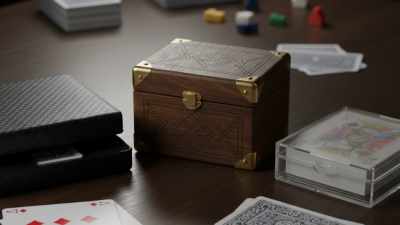
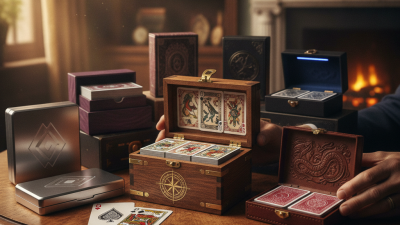
Choosing the right Playing Card Box manufacturer in 2026 requires more than comparing glossy catalogs. A reliable supplier must combine accurate construction, stable materials, responsive communication, and proven production experience. This guide explores leading manufacturers worldwide through practical criteria, including board thickness, paper quality, magnetic closure performance, printing precision, and packaging consistency. Small details matter. A clean tuck flap, sharp corner, and smooth drawer movement can influence the entire customer experience.
The evaluation also considers factory capabilities, minimum order quantities, sampling procedures, customization options, and delivery reliability. Manufacturers serving professional card brands should provide clear specifications, realistic timelines, and quality-control records. Certifications and responsible sourcing may also reveal how seriously a company manages its operations. However, rankings are not permanent. A supplier with excellent samples may struggle during a larger production run, while a less visible factory may deliver remarkable consistency. That is worth remembering.
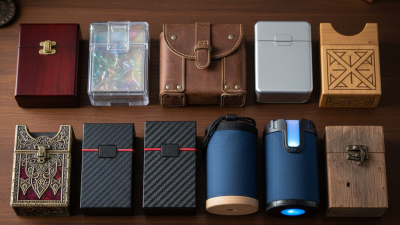
The best choice depends on the project. Luxury decks may require rigid boxes, foil stamping, and fitted inserts. Retail products may prioritize efficient assembly and competitive costs. Sustainable brands may request recycled board, water-based inks, or plastic-free components. Direct factory communication can expose practical differences that websites rarely show. Requesting a physical sample remains essential. Digital images can hide uneven edges and weak closures.
This article introduces notable Playing Card Box manufacturers worldwide and explains how buyers can assess them with greater confidence. The goal is not to promote one universal winner. It is to support informed decisions based on evidence, experience, and measurable performance.
What Defines a Playing Card Box Manufacturer in 2026
2026 Top Playing Card Box Manufacturers Worldwide?
What Defines a Playing Card Box Manufacturer in 2026
A playing card box manufacturer does more than print attractive packaging. It turns paper, board, ink, and structure into a reliable product. In practical production, box strength matters as much as visual appeal. A well-made tuck box should open smoothly, protect card edges, and survive repeated handling. Small details matter.
Professional manufacturers now measure material thickness, folding accuracy, color consistency, and adhesive performance. They should provide clear samples before mass production. They should also explain paper sources, coating options, minimum quantities, and expected tolerances. Guesswork creates expensive mistakes. A trustworthy supplier keeps production records and checks samples at several stages, not only at the final inspection.
Modern buyers also expect responsible manufacturing. Recyclable materials, water-based finishes, reduced plastic use, and efficient shipping can lower environmental impact. These choices require honest communication because “eco-friendly” can mean different things. Certifications, test reports, and traceable documentation are more useful than vague claims. Packaging should also meet the destination market’s labeling and safety requirements.
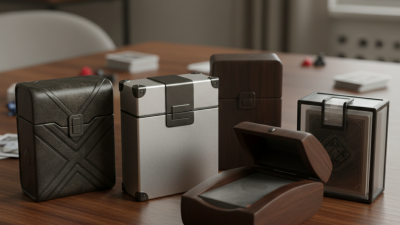
From a quality perspective, customization is no longer limited to color and logos. Manufacturers may develop magnetic closures, rigid cases, foil details, inserts, or compact travel formats. However, more features can weaken usability. A beautiful box may still frustrate users if it is difficult to open. That criticism is worth accepting. The strongest manufacturer combines design skill, process control, responsive communication, and the humility to revise a flawed sample.
Key Manufacturing Materials, Technologies, and Production Standards
2026 Top Playing Card Box Manufacturers Worldwide?
Key Manufacturing Materials, Technologies, and Production Standards
Reliable playing card box production begins with controlled paper selection. Many factories use coated folding boxboard with a dense inner layer for strength. A black core or blue core can improve opacity and reduce show-through. Recycled fiber may lower environmental impact, but its surface can vary between batches. That variation needs careful inspection.
Water-based inks, low-odor coatings, and recyclable paper structures are gaining practical importance. Offset printing remains effective for sharp illustrations and stable color runs. Digital proofing helps compare artwork before mass production. Modern die-cutting machines control panel size, locking tabs, and window placement. Small errors still happen. A box may close correctly but feel too tight after coating.
Professional manufacturers measure paper thickness, moisture, color difference, compression strength, and rub resistance. They should maintain documented procedures for incoming materials, first-article approval, and final sampling. Color management should follow recognized printing practices, while sampling plans should reflect order volume and risk. Fold lines deserve special attention because cracked edges often appear after transport. Factories also test packed cartons through vibration and drop checks. Sustainable claims require evidence, not attractive wording. Material certificates, batch records, and traceable inspections make supplier comparisons more dependable. Yet standards cannot replace skilled judgment. A technically compliant box may still feel weak in the customer’s hand.
Leading Playing Card Box Manufacturers Across Global Regions
In 2026, playing card box manufacturing is becoming more regional and specialized. Buyers now compare board quality, printing precision, fulfillment speed, and environmental records. Grand View Research’s 2024 playing cards market analysis projects steady global growth through 2030, supported by gaming, collectibles, and premium gift products. That demand is increasing pressure on box manufacturers.
Asia-Pacific remains a major production base, especially for high-volume tuck boxes and rigid cases. Regional suppliers often provide competitive pricing, automated folding, and efficient export logistics. European manufacturers typically emphasize recycled board, refined finishing, and strict packaging standards. North American facilities often compete through shorter delivery routes, custom prototypes, and flexible order quantities. Latin American and Middle Eastern suppliers are gaining attention for regional distribution and growing conversion capacity.
Details matter.
A dependable manufacturer should show recent samples, board specifications, color tolerances, and compression-test results. Smithers’ packaging industry outlook places global packaging demand above one trillion dollars before 2028, making material efficiency increasingly important. Yet recycled content can affect stiffness, surface smoothness, and foil adhesion. This is where supplier claims need verification. A beautiful sample may not survive humid storage or long-distance shipping. Manufacturers serving multiple regions should also explain carton testing, pallet design, and documentation practices. Certifications help, but they do not replace production evidence. Some factories still present impressive prototypes while hiding inconsistent bulk quality. That remains an uncomfortable weakness.
How to Evaluate Quality, Customization, Pricing, and Sustainability
Choosing among the 2026 top playing card box manufacturers requires more than comparing photographs. Request production samples, not digital mockups. Check board thickness, corner accuracy, surface coating, and whether cards slide smoothly inside the box. A 0.3-millimeter fit error can create visible gaps or crushing during transport.
Pricing should be measured against specifications. Ask for separate costs for tooling, printing, finishing, packaging, and freight. Smithers’ paper packaging outlook identifies material cost and energy volatility as major pricing pressures through 2028. Therefore, a low quotation may hide weaker board, excessive minimum orders, or unstable delivery schedules. Confirm production capacity, inspection procedures, and replacement terms in writing.
Customization also needs practical limits. Foil, embossing, spot coating, and magnetic closures can improve shelf appeal, but each adds waste and setup time. Request a pre-production sample. It may reveal that a beautiful finish feels slippery or scratches easily. Sustainability claims require evidence. Cepi reported an 82% paper recycling rate in Europe for 2023, yet a recyclable box can lose that advantage through mixed materials or difficult coatings. Ask for recycled-content percentages, fiber certification, ink details, and factory energy data. A manufacturer that shares batch records and corrective-action reports deserves more confidence than one offering vague green language. Certification helps. It does not replace inspection.
Industry Trends Shaping the Future of Playing Card Packaging
Industry Trends Shaping the Future of Playing Card Packaging
By 2026, playing card box manufacturers worldwide will face stronger demands for sustainable, flexible packaging. Smithers’ The Future of Sustainable Packaging to 2029 projects this market will approach US$393 billion by 2029. That growth reflects wider material changes. Recycled paperboard, water-based coatings, and plastic-free closures are becoming practical options. For playing card boxes, these materials can reduce surface gloss and alter color depth. That matters. Packaging teams must test stacking strength, humidity resistance, and print accuracy before changing a proven structure. The transition is promising, but not effortless.
Digital printing is also reshaping short production runs. Smithers’ The Future of Digital Print for Packaging to 2028 identifies packaging personalization and shorter supply chains as key growth drivers. A small card release can now use regional artwork, serialized editions, or faster market tests. However, excessive customization may increase waste and complicate inventory control. Data from the World Packaging Organisation also highlights recyclability, lightweighting, and better material recovery as continuing industry priorities. Manufacturers should design boxes that consumers can separate easily, without mixed laminates or hidden plastic windows.
Tips: Ask for recycled-content certificates and packaging test results. Check whether coatings are recyclable locally. Measure box compression after humidity exposure. A beautiful prototype can fail during shipping. Also, keep one conventional sample for comparison; “greener” does not always mean more durable.

 Customizable Emotional Support Cards for Grief & Resilience
 Personalized Emotional Encouragement Card Collection
 Personalized Deep Conversation Card Gift Box
 Customizable Boho-Chic Affirmation Cards for Mindfulness & Self-Love
 Customized Friendship Confirmation Card
 Customized Entrepreneurship Confirmation Card
 Air Max Pax Custom Sneaker Card Blind Box Set
 Fluffybutts Factory Custom Pet Card Blind Box Sets
 Doraemon Custom Card Blind Box Set
 Torah Mitzvah Custom Card Blind Box Set
 Customized "Journey to the West" Themed Card Blind Box Set
 Customized cat-themed blind box set
 Shanghai Fengyun Custom Board Game Set
 Sensual Romance Game Custom Board Game Set
 "Qoul Al Sabah" Custom Board Game Set
 Customized educational board games for children
 Couple Interaction Turntable Themed Board Game
 Business Finance Board Game
 Pop Mart Custom Character Collectible Cards
 EXCEED Fighting System Custom Character Card Set
 Three Kingdoms Custom Hero Character Cards
 Custom Anime Character Dynamic Visual Cards
 Custom Cartoon Character Collectible Card Set
 Custom Anime Character Art Card Set
 Little Larch Alphabet Cards
 Feelings and Dealings Custom Children's Emotion Card Game
 Korean Children's Educational Flashcards
 Cocks Themed Custom Children's Learning Cards
 Math Flash Cards Set for Kids
 Joycat Multiplication Flash Cards Set with Accessories
 Custom Dual-Deck Playing Cards with Wolf-Themed Design
 Custom embossed gold foil playing cards
 Circuit PCB Edition Custom Playing Cards
 Customized theme gold foil playing cards
 Custom Red Rabbit Themed Playing Cards Set
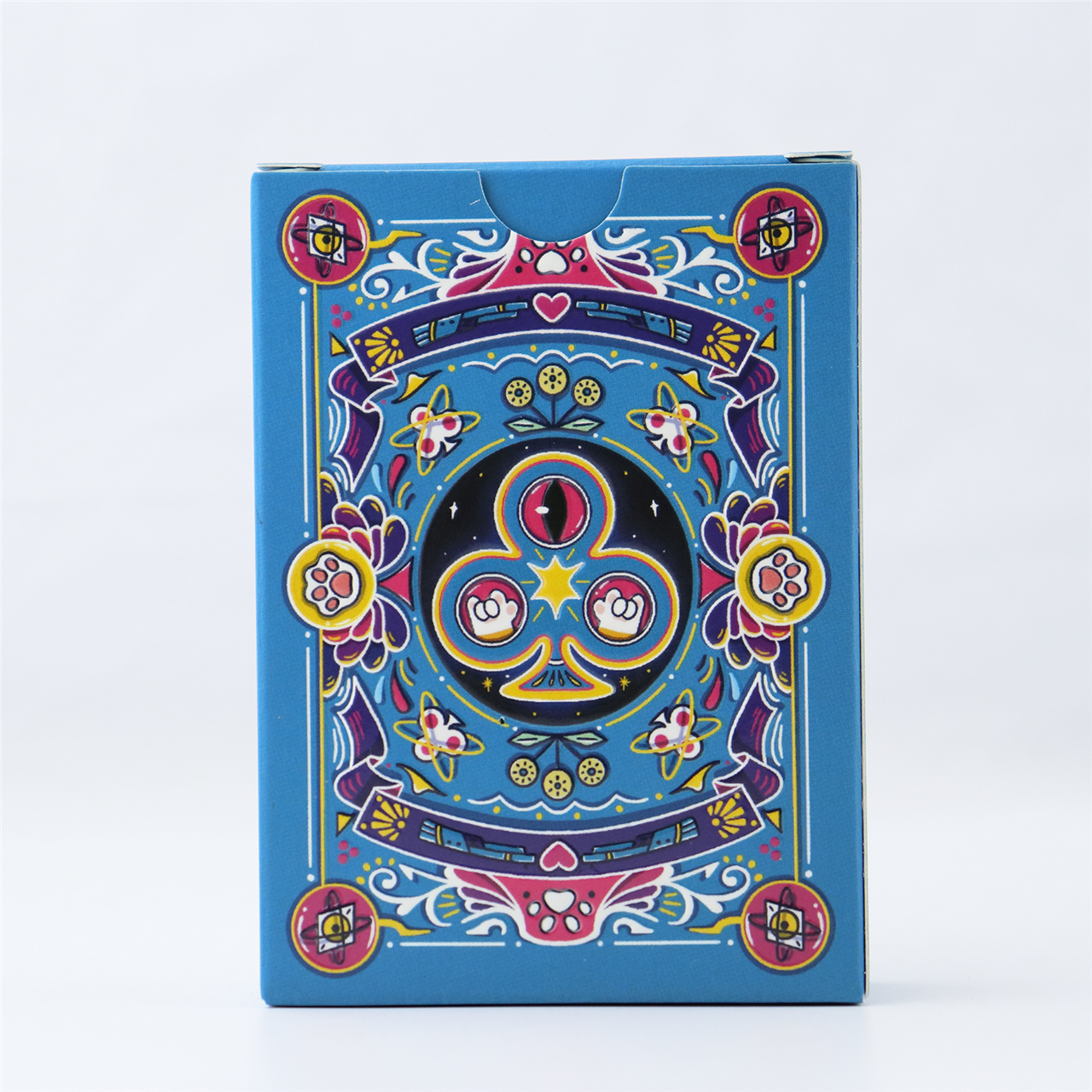 Custom Blue - Black Fantasy Plastic Playing Cards Set
 Pearls of Wisdom Oracle Custom Cards
 Custom Black & Gold Celestial Tarot Cards
 Custom Purple Tarot Cards with Guidebook
 L'Oracle d'Artémis Custom Oracle Cards
 Custom Blue - Themed Tarot Cards Deck
 Custom Black - Blue Gold Foil Tarot Cards Set
 Alamatch Custom Trading Game Cards
 Grim Hollow Spell & Abilities Custom Trading Cards
 Relationshipish Custom Couple Card Game
 Emojo Dojo Custom Trading Card Game
 Custom Travel Photo Trading Cards Set
 Custom Cartoon Holographic Trading Cards Set