10 Tips for Choosing the Best Interactive Board Games for Your Family
Choosing the right interactive board games for your family can be a delightful yet challenging task. Interactive board games foster engagement and creativity within families. They create memorable moments, laughter, and sometimes even friendly competition. However, not all games fit every family’s style or interests.
It’s important to consider the ages and preferences of your family members. Games can range from strategic to purely luck-based. Some might need serious thinking skills, while others rely on social interaction. Think about the balance you want to achieve. Look for games that encourage teamwork or spark lively discussions. Different games offer unique experiences, so exploring them is essential.
Remember, the goal is to bond and enjoy time together. Consider how each game may impact your family dynamics. Reflect on past experiences with games that were either hits or misses. Use those insights to guide your choices. Interactive board games can bring joy, but the right selection is key to ensuring a fun experience for everyone involved.

Understanding the Age Range Suitability for Family Interactive Games
Choosing the right interactive board games for your family involves understanding age suitability. Different games target various age groups, and finding one that appeals to everyone can be a challenge. For families with young children, look for games that encourage collaboration and basic skills. Games with colorful pieces and simple rules can engage kids effectively.
When kids get older, consider games that require critical thinking and strategy. Teenagers often enjoy competitions that challenge their skills. However, it’s essential to involve them in the decision-making process. This can enhance their interest and ensure that the game is age-appropriate. Be aware of games that may seem suitable but might be too complex.
Collect feedback from family members about what they enjoy. Sometimes, you might miss games that appeal to a younger audience. A game loved by younger kids might not captivate teens. Testing different games can be an enjoyable process. It provides opportunities to learn together and makes family time more meaningful.
Evaluating the Complexity Level: Balancing Fun and Challenge for All Ages
Choosing the right interactive board games for your family can be a fun yet tricky process. Evaluating the complexity level is crucial. You want games that provide both enjoyment and a challenge for everyone. Games can vary greatly in difficulty. Some may be ideal for young children, while others may require more strategy and critical thinking. This balance is essential for inclusive family play.
One tip is to consider age recommendations. A game meant for older kids might frustrate younger players. Look for games with adjustable rules. This allows you to simplify gameplay for younger participants. Another suggestion is to try games that encourage teamwork. Cooperative games can unite family members. They can bring everyone together, regardless of skill level.
Don't shy away from trying new types of games. Sometimes, a seemingly complex game may become enjoyable once understood. Read through the rules together before starting. It can sometimes reveal opportunities to modify gameplay for various ages. Pay attention to everyone's reactions and needs. Game night should be about bonding and laughter, not stress. Always be open to feedback after playing. This reflection can improve future game nights.
Identifying Educational Value: Enhancing Skills While Enjoying Family Time
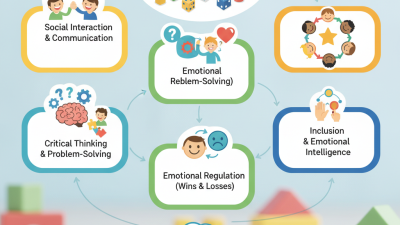
Choosing interactive board games for family time should go beyond fun. The educational value of these games can significantly enhance learning. Studies show that 85% of parents believe games improve critical thinking skills. This statistic highlights the potential for learning through play. Games that promote problem-solving keep children engaged while developing their cognitive abilities.
Interactive board games also teach essential social skills. Working together to win a game requires cooperation and communication. According to recent research, 70% of parents noted that their children improved teamwork skills after playing board games. Games provide safe spaces for children to express ideas and learn from failures. This is crucial in developing resilience. Choosing the right games can also encourage discussions about choices and strategies, fostering emotional intelligence.
However, not all games are created equal. Some may focus too much on competition, which can discourage participation. It's important to reflect on the balance between education and enjoyment. games that integrate fun with learning tend to have lasting effects. By considering these aspects, families can create valuable experiences while having fun together.
10 Tips for Choosing the Best Interactive Board Games for Your Family
| Game Title |
Educational Value |
Age Range |
Number of Players |
Skill Enhancement |
| Catan |
Strategic Thinking |
10+ |
3-4 |
Resource Management |
| Ticket to Ride |
Planning Skills |
8+ |
2-5 |
Problem Solving |
| Pandemic |
Teamwork |
13+ |
2-4 |
Crisis Management |
| Blokus |
Spatial Reasoning |
5+ |
2-4 |
Critical Thinking |
| Scrabble |
Vocabulary Development |
8+ |
2-4 |
Language Skills |
| Carcassonne |
Strategic Planning |
7+ |
2-5 |
Tactical Skills |

 Customizable Emotional Support Cards for Grief & Resilience
 Personalized Emotional Encouragement Card Collection
 Personalized Deep Conversation Card Gift Box
 Customizable Boho-Chic Affirmation Cards for Mindfulness & Self-Love
 Customized Friendship Confirmation Card
 Customized Entrepreneurship Confirmation Card
 Air Max Pax Custom Sneaker Card Blind Box Set
 Fluffybutts Factory Custom Pet Card Blind Box Sets
 Doraemon Custom Card Blind Box Set
 Torah Mitzvah Custom Card Blind Box Set
 Customized "Journey to the West" Themed Card Blind Box Set
 Customized cat-themed blind box set
 Shanghai Fengyun Custom Board Game Set
 Sensual Romance Game Custom Board Game Set
 "Qoul Al Sabah" Custom Board Game Set
 Customized educational board games for children
 Couple Interaction Turntable Themed Board Game
 Business Finance Board Game
 Pop Mart Custom Character Collectible Cards
 EXCEED Fighting System Custom Character Card Set
 Three Kingdoms Custom Hero Character Cards
 Custom Anime Character Dynamic Visual Cards
 Custom Cartoon Character Collectible Card Set
 Custom Anime Character Art Card Set
 Little Larch Alphabet Cards
 Feelings and Dealings Custom Children's Emotion Card Game
 Korean Children's Educational Flashcards
 Cocks Themed Custom Children's Learning Cards
 Math Flash Cards Set for Kids
 Joycat Multiplication Flash Cards Set with Accessories
 Custom Dual-Deck Playing Cards with Wolf-Themed Design
 Custom embossed gold foil playing cards
 Circuit PCB Edition Custom Playing Cards
 Customized theme gold foil playing cards
 Custom Red Rabbit Themed Playing Cards Set
 Custom Blue - Black Fantasy Plastic Playing Cards Set
 Pearls of Wisdom Oracle Custom Cards
 Custom Black & Gold Celestial Tarot Cards
 Custom Purple Tarot Cards with Guidebook
 L'Oracle d'Artémis Custom Oracle Cards
 Custom Blue - Themed Tarot Cards Deck
 Custom Black - Blue Gold Foil Tarot Cards Set
 Alamatch Custom Trading Game Cards
 Grim Hollow Spell & Abilities Custom Trading Cards
 Relationshipish Custom Couple Card Game
 Emojo Dojo Custom Trading Card Game
 Custom Travel Photo Trading Cards Set
 Custom Cartoon Holographic Trading Cards Set