China Top Kids Board Game Manufacturers and Suppliers?
Finding reliable China Top Kids Board Game Manufacturers and Suppliers requires more than comparing colorful catalogs. Buyers should examine production experience, material standards, game design capability, and communication quality. A dependable supplier can explain each stage, from prototype development to final packing.
A quality Kids Board Game often begins with a clear age range and learning objective. Designers should consider reading ability, attention span, motor skills, and family play time. During supplier evaluation, request physical samples, component lists, safety documentation, and printing proofs. Check whether cards have smooth edges, boards fold accurately, and small pieces are packed securely. These details matter in real homes and classrooms.
Factory experience also deserves careful review. Ask about minimum order quantities, tooling costs, inspection procedures, lead times, and export support. Visiting a production site is useful, but independent audits can provide additional confidence. Certifications may support evaluation, yet they should not replace sample testing and direct communication. Some suppliers present impressive photographs but explain little about quality control. That is a warning sign.
Pricing needs context.
The lowest quotation may exclude packaging changes, revisions, or inspection costs. Experienced buyers should compare complete offers rather than unit prices alone. It is also wise to discuss backup plans for delayed materials or artwork corrections. Even careful projects can develop problems. A thoughtful comparison of Chinese manufacturers and suppliers helps brands select partners that deliver safe, engaging, and consistent board games for children.
What Defines a Reliable Kids Board Game Manufacturer in China
China Top Kids Board Game Manufacturers and Suppliers?
A reliable kids board game manufacturer proves quality through repeatable processes, not attractive samples alone. Circana’s 2024 global toy retail data reported a 7% sales decline in 2023, increasing pressure on suppliers to reduce waste and maintain value. A capable factory should provide stable material specifications, clear production schedules, and traceable batch records. Ask for recent testing against the requirements of your target market, such as EN 71 or ASTM F963. Testing should cover inks, plastics, paperboard, small parts, and age grading. Vague certificates are warning signs.
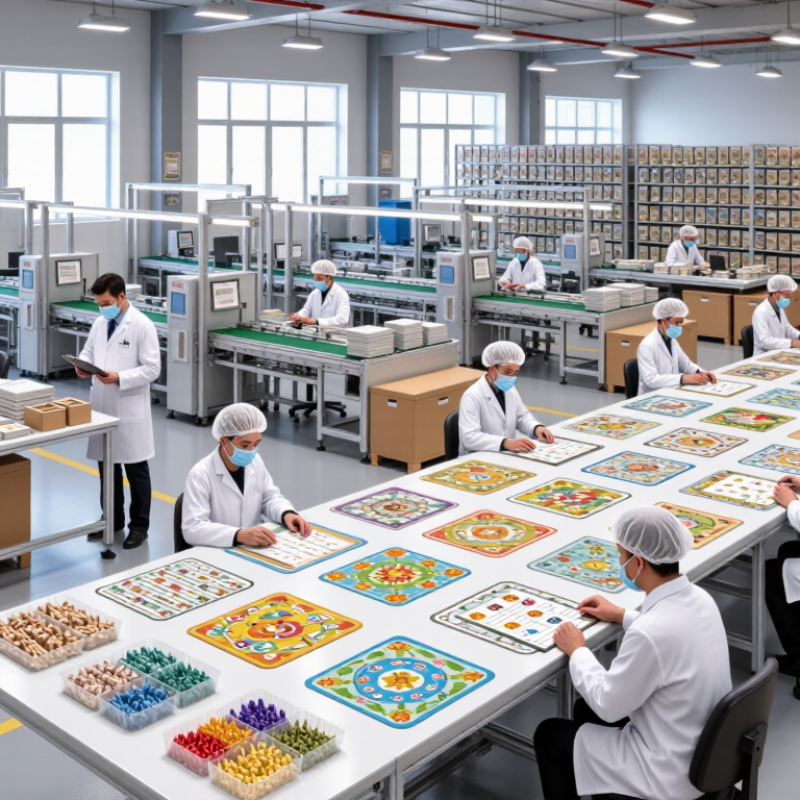
Experience is visible on the production floor. Look for separated printing, assembly, packing, and inspection areas. A reliable team checks card alignment, board thickness, color consistency, and sharp edges before packing.
The 2023 Toy Association industry report highlighted continued demand for screen-free, social play, but demand alone does not guarantee good manufacturing. A supplier should explain game development, prototype revisions, tooling limits, and corrective actions. Small defects matter.
Tips: Request a pilot run before mass production. Inspect random cartons, not only golden samples. Confirm carton drop testing and moisture protection. Check whether the supplier welcomes independent audits. Clear communication matters too. Slow replies can become expensive mistakes. No factory is flawless. However, a trustworthy manufacturer records problems, accepts feedback, and shows measurable improvement instead of making perfect promises.
Main Production Regions and Manufacturing Capabilities
China’s leading board game production regions are concentrated in Guangdong, Zhejiang, Jiangsu, and Fujian. Guangdong offers mature plastic molding, printing, packaging, and assembly networks. Zhejiang is strong in paper products, wooden components, and cost-efficient mass production. Jiangsu supports precision manufacturing and quality control, while Fujian has experience with educational toys and export-oriented supply chains.
The China Toy Association’s 2024 industry briefing shows that China remains a major global toy manufacturing and export center. Its capabilities now extend beyond basic assembly. Many factories manage card printing, injection molding, wooden cutting, magnetic parts, rulebook production, and final packing under one roof. A 2024 report from Grand View Research estimates continued growth in the global board games market, driven by family entertainment and educational products. However, supplier claims can sound better than factory reality. I have found that sample quality may not match bulk production without process checks.
Tips: Ask suppliers about monthly capacity, material certificates, color tolerance, and defect rates. Request a production sample from the same line used for mass orders. Confirm whether tooling, printing, and packing happen locally or through subcontractors. Regional advantages matter, but factory-level evidence matters more.
Types of Kids Board Games Made by Chinese Suppliers
Chinese suppliers produce a broad range of kids’ board games for different ages, skills, and play settings. Educational games often teach numbers, letters, vocabulary, or simple science through colorful boards and tokens. Matching and memory games use thick cards, picture tiles, and clear symbols. They are suitable for short activities at home or in classrooms.
Strategy games introduce turn-taking, planning, and basic decision-making without overwhelming younger players. Cooperative games let children work toward one shared goal.
Some suppliers also make travel games with folding boards, magnetic pieces, or compact card decks. Three-dimensional games may include stacking blocks, puzzles, or modular paths. These formats need careful testing because loose parts can be lost quickly.
From my sourcing experience, reliable manufacturers usually offer prototypes before mass production. A good sample should have smooth edges, readable printing, firm cardboard, and pieces that fit small hands. Suppliers may provide material reports, safety test records, age recommendations, and packaging details. Custom rules and artwork are also common for educational projects.
However, a polished sample can hide production weaknesses. Colors may vary between batches, and thin cards may bend after repeated use. I would request several samples, test the game with children, and review every component before approving production. Mistakes happen. Careful checks still matter.
How to Evaluate Quality, Safety, and Educational Value
When evaluating China’s kids board game manufacturers and suppliers, inspect quality beyond a bright box. Ask for batch records, material declarations, and independent laboratory reports. The U.S. Consumer Product Safety Commission reported about 231,000 toy-related emergency injuries in 2023. Small parts, sharp edges, and weak magnets deserve careful attention. Request testing against ASTM F963 or relevant EN 71 requirements. Verify the report number, testing date, product version, and factory address. A certificate alone is not enough.
Educational value needs evidence, not clever packaging. The UNICEF and LEGO Foundation Learning through Play report links play with cognitive, social, emotional, and physical development. Check whether the game encourages counting, planning, language, cooperation, or flexible thinking. Review the rules for age suitability and replay value. A game with attractive artwork may still teach very little. I have seen well-made prototypes with confusing instructions; that weakness can survive production. Ask suppliers to provide play-test feedback from children, teachers, or learning specialists.
Tips: Inspect three production samples, not one. Test cards for tearing, tokens for choking risks, and boxes for crushing. Observe a real play session. Ask whether children can explain the rules without adult rescue. Compare educational claims with measurable learning goals. The European Commission’s Safety Gate reports regularly identify toys among notified risky consumer products, so traceability matters. Keep communication written. Suppliers who accept corrective samples often appear more reliable than those offering instant perfection.
Sourcing, Customization, and Supplier Selection Process
Sourcing children’s board games from China requires more than comparing factory prices. Start with a clear product brief covering player age, game length, materials, box size, and target quantity. Ask suppliers about their experience with paper components, plastic parts, wooden pieces, and child-safe coatings. Request photos of similar projects, production samples, and quality inspection records. A low quotation may exclude tooling, testing, packaging, or shipping costs.
Customization should begin with playtesting, not artwork. Test the prototype with children in the intended age group and observe confusing rules, weak pieces, or overly small cards. Suppliers can adjust board thickness, corner shapes, printing colors, inserts, and instruction layouts. Provide editable artwork, packaging dimensions, color references, and language requirements. Small changes matter. I have seen attractive prototypes fail because the box insert moved during transport. That detail should be checked early.
Supplier selection depends on evidence. Compare communication speed, sample accuracy, minimum order quantity, production capacity, payment terms, and lead time. Ask how incoming materials, printing, assembly, and final packing are inspected. Independent laboratory testing may be needed for the destination market and product age range. Confirm who manages corrective actions when defects appear. Do not rely only on factory tours or polished presentations. A practical trial order can reveal inconsistent colors, missing components, or unclear responsibility. The process is rarely perfect, and buyers should record each decision before scaling production.
China Top Kids Board Game Manufacturers and Suppliers: Sourcing, Customization, and Supplier Selection Process
This supplier-selection scorecard uses a 100-point weighting model for kids board game sourcing. Product quality and customization capability receive the highest priority, followed by MOQ flexibility, compliance, lead time, and communication efficiency. Buyers can adjust these weights according to product complexity, target market, and order volume.

 Customizable Emotional Support Cards for Grief & Resilience
 Personalized Emotional Encouragement Card Collection
 Personalized Deep Conversation Card Gift Box
 Customizable Boho-Chic Affirmation Cards for Mindfulness & Self-Love
 Customized Friendship Confirmation Card
 Customized Entrepreneurship Confirmation Card
 Air Max Pax Custom Sneaker Card Blind Box Set
 Fluffybutts Factory Custom Pet Card Blind Box Sets
 Doraemon Custom Card Blind Box Set
 Torah Mitzvah Custom Card Blind Box Set
 Customized "Journey to the West" Themed Card Blind Box Set
 Customized cat-themed blind box set
 Shanghai Fengyun Custom Board Game Set
 Sensual Romance Game Custom Board Game Set
 "Qoul Al Sabah" Custom Board Game Set
 Customized educational board games for children
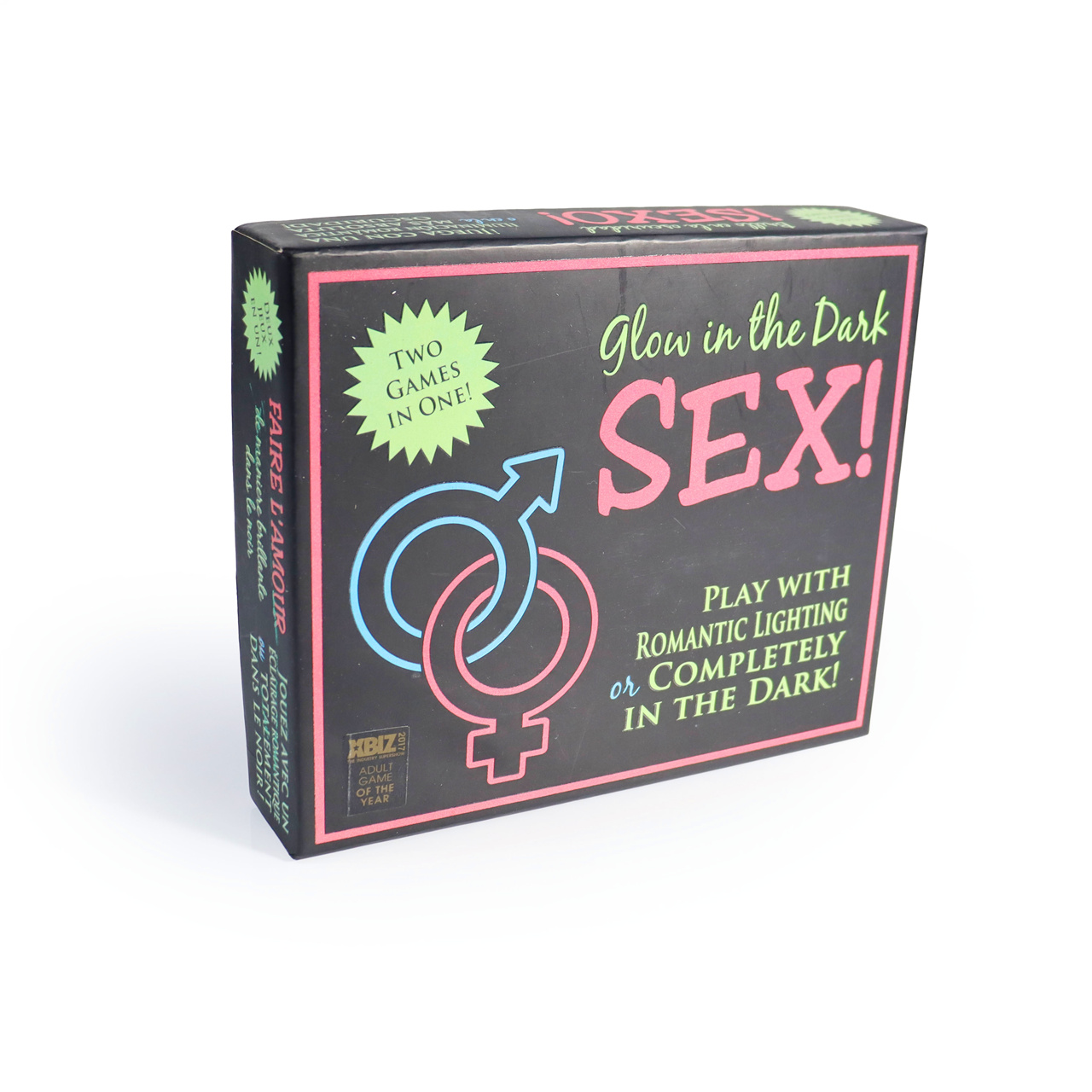 Couple Interaction Turntable Themed Board Game
 Business Finance Board Game
 Pop Mart Custom Character Collectible Cards
 EXCEED Fighting System Custom Character Card Set
 Three Kingdoms Custom Hero Character Cards
 Custom Anime Character Dynamic Visual Cards
 Custom Cartoon Character Collectible Card Set
 Custom Anime Character Art Card Set
 Little Larch Alphabet Cards
 Feelings and Dealings Custom Children's Emotion Card Game
 Korean Children's Educational Flashcards
 Cocks Themed Custom Children's Learning Cards
 Math Flash Cards Set for Kids
 Joycat Multiplication Flash Cards Set with Accessories
 Custom Dual-Deck Playing Cards with Wolf-Themed Design
 Custom embossed gold foil playing cards
 Circuit PCB Edition Custom Playing Cards
 Customized theme gold foil playing cards
 Custom Red Rabbit Themed Playing Cards Set
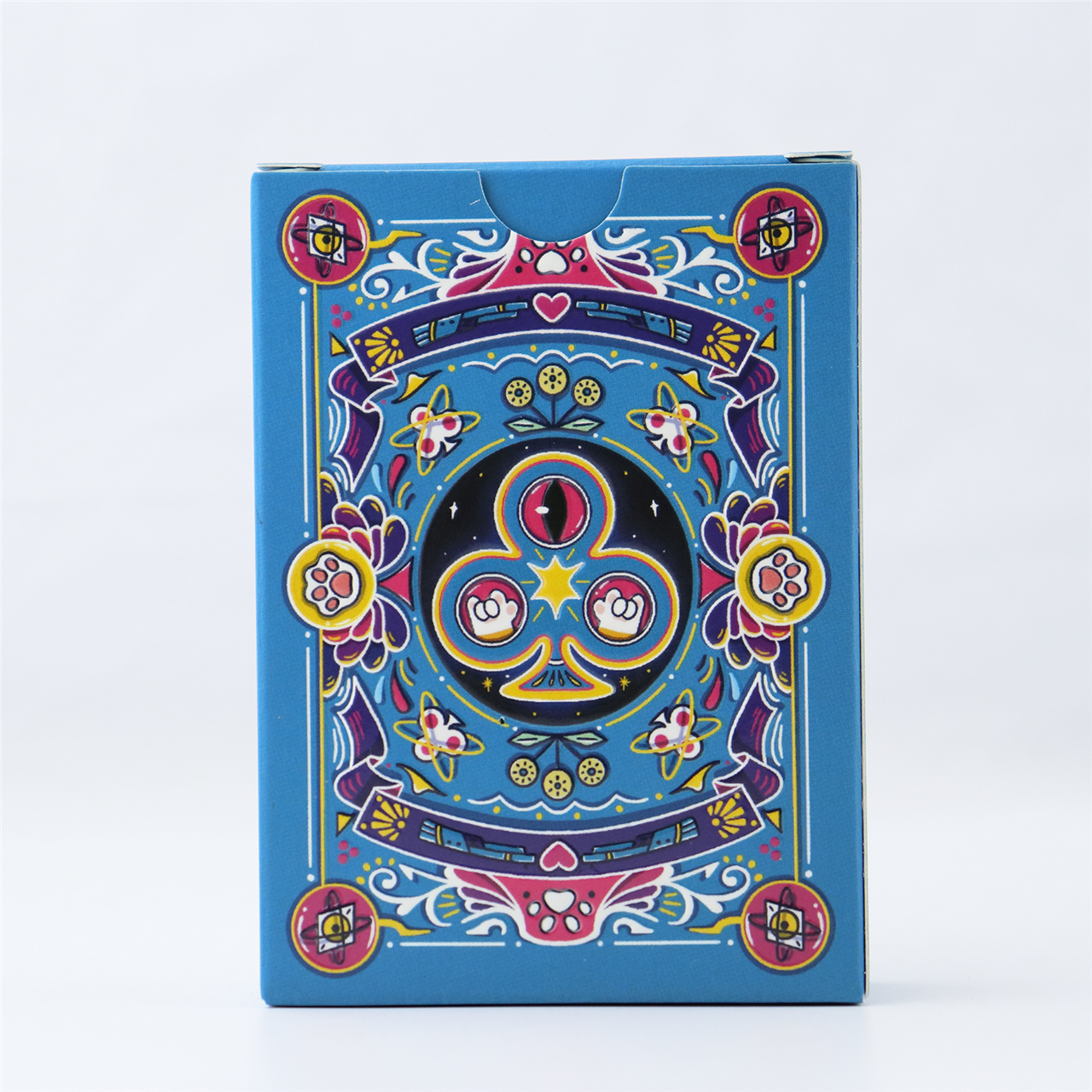 Custom Blue - Black Fantasy Plastic Playing Cards Set
 Pearls of Wisdom Oracle Custom Cards
 Custom Black & Gold Celestial Tarot Cards
 Custom Purple Tarot Cards with Guidebook
 L'Oracle d'Artémis Custom Oracle Cards
 Custom Blue - Themed Tarot Cards Deck
 Custom Black - Blue Gold Foil Tarot Cards Set
 Alamatch Custom Trading Game Cards
 Grim Hollow Spell & Abilities Custom Trading Cards
 Relationshipish Custom Couple Card Game
 Emojo Dojo Custom Trading Card Game
 Custom Travel Photo Trading Cards Set
 Custom Cartoon Holographic Trading Cards Set